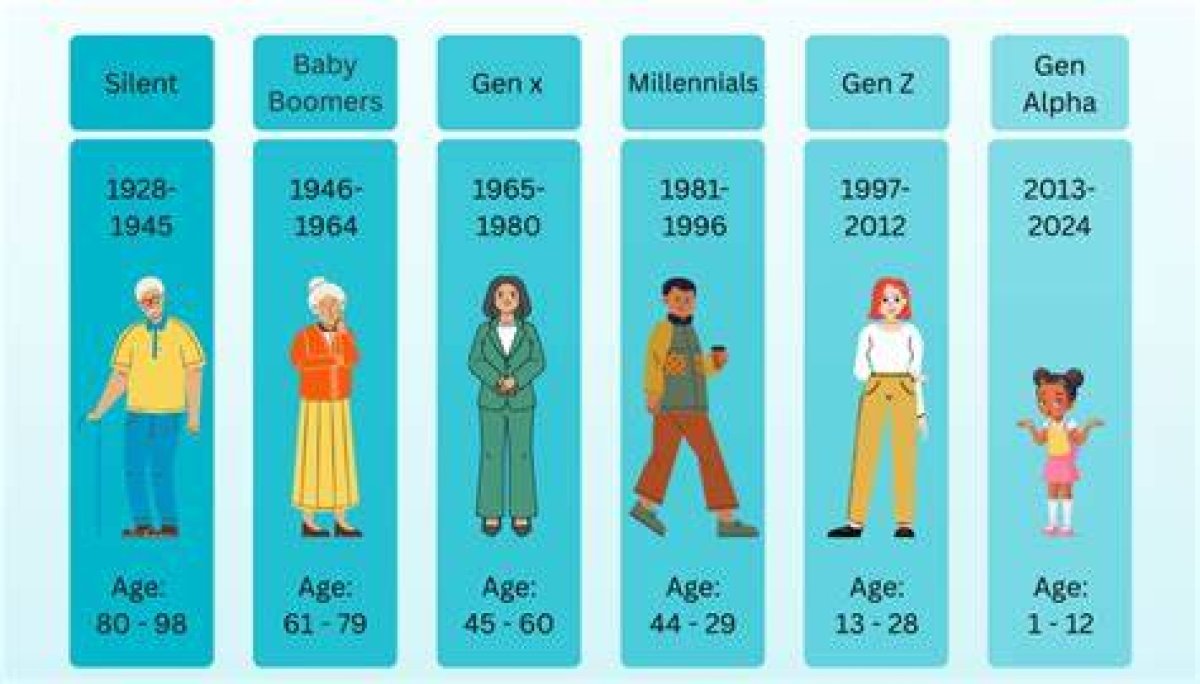
Every generation in order reveals the rich tapestry of human history, showcasing how societal changes, technological advancements, and cultural shifts have shaped our world. From the Silent Generation to Gen Z, understanding these generations helps us recognize the differences in values, beliefs, and behaviors that define each group. This article delves into the characteristics, historical events, and social dynamics of each generation, providing a comprehensive overview of how individuals have evolved over time.
As we explore the timeline of humanity, it is essential to highlight the unique contributions of each generation. By examining the significant events that occurred during their formative years, we can gain insight into their perspectives and priorities. This understanding is crucial, especially in an era where intergenerational communication is more important than ever. Let's embark on this journey to uncover the chronological order of generations and their lasting impact on society.
This article will guide you through the various generations, starting from the Silent Generation to the contemporary Gen Z. Each section will not only define the characteristics of these generations but also offer an in-depth analysis of the sociopolitical climate they navigated. By the end, you will have a clearer picture of how every generation in order has influenced our present and will continue to shape our future.
Silent Generation (1928-1945)
The Silent Generation, often referred to as the "Traditionalists," includes individuals born between 1928 and 1945. This generation grew up during the Great Depression and World War II, experiences that profoundly influenced their values and outlook on life.
Characteristics of the Silent Generation
- Strong work ethic
- Value of loyalty and duty
- Preference for face-to-face communication
- Respect for authority
Despite being labeled "silent," this generation played a crucial role in shaping modern society by laying the groundwork for future generations. Their emphasis on hard work and stability has had lasting effects on the workforce and family structures.
Baby Boomers (1946-1964)
Following World War II, the Baby Boomer generation emerged, characterized by a significant increase in birth rates. Those born between 1946 and 1964 were part of a cultural revolution that transformed society in many ways.
Key Events Influencing Baby Boomers
- The Civil Rights Movement
- The Vietnam War
- The rise of television and mass media
Baby Boomers are known for their optimism, strong sense of community, and activism. They were instrumental in advocating for civil rights and social justice, affecting profound changes in societal norms and values.

